

High school: a story lived by many, all in their own ways. In four years, people create memories that last the rest of their lives. Sporting events, weekend functions and dances are all contributors to the high school experience. As club sports see growing numbers of high school athletes, however, those who participate could be seeing that experience fade. Are club sports necessary to the student-athlete, or should school sports remain dominant?
Time is an essential resource for student-athletes, but as the number of practices and tournaments grows, so do things like burnout, anxiety and other negative mental health effects. Oftentimes, clubs have tournaments far enough that athletes and parents have to fly to, taking large chunks out of time for whole families and adding substantial expenses on top of the cost of playing for a team.
Piling practices and tournaments on top of everything that school brings takes a toll on the young mind. According to the National Federation of State High School Associations (NFHS), 91% of student-athletes balancing athletics with academics experience some sort of stress, 58% of whom experience moderate to severe stress levels. Given these alarming numbers, only about 10% of athletes seek professional help.
The growing success of club organizations provides various drawbacks for student athletes, but like all sports, they also offer many advantages and experiences to learn from on and off the playing field.
For someone trying to play a sport in college, the goal of youth sports is to gain recognition. Because club organizations mostly have year-round seasons, it makes it very easy for athletes to improve their skills while giving recruiters more opportunities to recognize and evaluate their game. Competitive tournaments also provide players with advantages in recruiting, as they commonly bring them out of state and give them environments to prove themselves in.
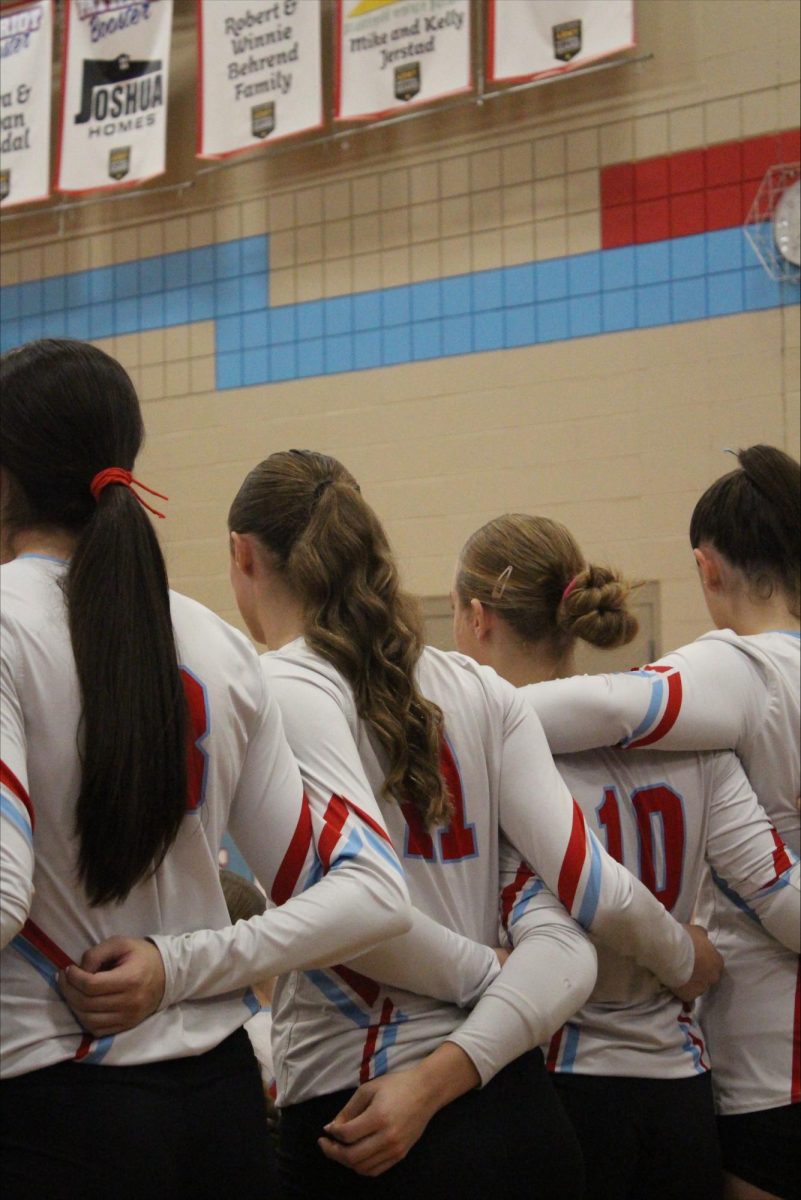
Spring is usually a busy time for volleyball athletes. LHS Sophomore Taysia Blom is no exception. She typically has practice three nights a week, each one taking about three hours. On top of her practices, seven out of her 10 practices in the spring season will bring her out of state. Through hard work, her four years playing club volleyball have been very productive.
“My overall experience with club volleyball has been very good,” said Blom. “I have learned and grown a ton as a person and a volleyball player.”
According to an NFHS survey, over 8 million students were involved in high school sports as of 2025, 90% of whom were also involved in club sports. This high participation rate begs the question of which program student-athletes would prefer. When comparing the school and club seasons, Blom has a distinct approach to each but ultimately prefers the club season.
“I prefer club [volleyball] because I learn and grow more as a player,” said Blom. “We have a very structured and skilled program that develops highly skilled volleyball players, but school [volleyball] is very fun and more of a family-like culture since we are together every day.”
Though highly demanding, club sports provide many opportunities for student athletes that school sports do not, but are also the cause of other substantial issues for both the players and families involved.