



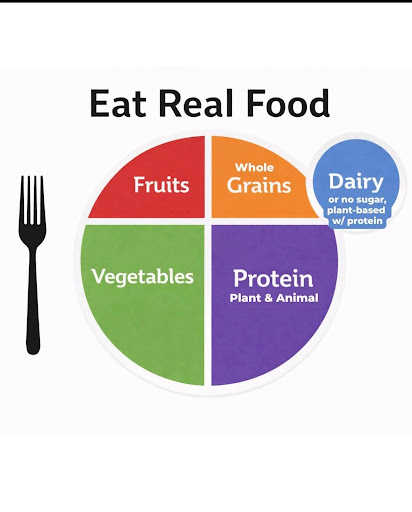
Over 60% of adolescents have poor diets, and less than 40% of them often meet dietary recommendations for key nutrients, according to a JAMA study. Although many may not realize it, their nutrition heavily impacts their performance in the classroom.
According to a CDC survey taken in 2019, more than 80% of high schoolers have an unhealthy diet, with around 75% of them skipping breakfast every morning. Over the last few years, these percentages have continued to rise. Nutrition is important for high schoolers because they are in the middle to late stages of development, which requires the most nourishment to help support their physical growth, fuel brain development and boost energy levels. Sustaining energy throughout the day can be as simple as eating food from each of the different food groups. Even though some food groups may be overlooked, they are all a very important part for sustaining proper energy.
Fruits
Fruit is an essential part of a nutritious diet for teens. It provides numerous nutrients like fiber, potassium, vitamin C, antioxidants and hydration. All of these factors are important because they aid digestion, control blood pressure levels, repair body tissues, protect against cell damage and reduce inflammation, as well as contain a high water content, which leads to better hydration. Daily, teenagers should be consuming around one and a half to two and a half cups. Examples include berries, like raspberries, strawberries or blueberries, avocados, bananas and citrus fruits, like oranges. They boost cognitive function, memory, concentration and provide a sustained natural energy.
Vegetables
Although not always the most appealing for teenagers, vegetables are more important than fruits when it comes to proper nutrition. Like fruits, they provide fiber, vitamins and antioxidants, but unlike fruits, they provide minerals. Minerals are crucial for a high schooler’s body because they help with bone strength, muscle contraction, nerve signaling and oxygen transport. On average, a teenager should be consuming around 2,900mg of minerals each day, breaking down to about 1,300mg of calcium, 1,250mg of phosphorus, 360mg of magnesium and 11mg of iron. Overall, students should be consuming two to three cups a day of vegetables. Some examples include spinach, kale, broccoli, cauliflower, carrots, sweet potatoes or beets. All in all, vegetables are a crucial part of teens’ diet because they ensure proper physical growth, sustain energy and improve cognitive functions.
Protein
Protein has more benefits than just building muscle. Proteins help with multiple bodily processes. In addition to repairing and building muscle, protein also supports the immune system, which is crucial for a teen who is going to a disease-infested building every day. Proteins are full of enzymes that aid chemical reactions like digestion and energy. If a teen cannot properly break down food, they will not receive the energy they need to perform to their best academically. On an average day, a teen should consume around 46 to 52 grams of protein. This can come in various forms such as chicken, turkey, salmon, tuna, Greek yogurt, cottage cheese and eggs.
Grains
Grains are the body’s main source of carbohydrates. Carbohydrates are essential for a teen’s energy and can help fuel their bodies for busy school days, along with helping them stay focused in class. Whole grains, specifically, include fiber, which reduces the chances of poor cholesterol and helps manage blood pressure. Fiber also supports digestive health by promoting regular bowel movements. Grains are very dense with nutrients and provide magnesium and iron for bone building and oxygen transport. They also include an important vitamin: Vitamin B. Vitamin B helps the body release energy from fat, protein and carbohydrates, further aiding teens’ energy levels. To maintain energy levels, teens should aim for around 170 to 200 grams of grains per day. They can receive this through whole oats, quinoa, brown rice, whole-wheat pasta/bread, barley and popcorn.
Dairy
Dairy is a very essential part of diets because it improves bone health, provides essential nutrients, supports the immune system, supplies proper heart health and promotes faster metabolism. It also provides the 13 essential nutrients, which contain protein, calcium, phosphorus, vitamin A, vitamin D, riboflavin (B2), vitamin B12, pantothenic acid (B5), niacin (B3), zinc selenium, iodine and potassium. On average, a teenager should be consuming around three cups of dairy per day. Some examples include Greek yogurt, milk, cottage cheese, or any kind of shredded or block cheese. It is also important to consume dairy because it builds strong bones and teeth and helps with energy and focus, which is crucial for a classroom setting.