

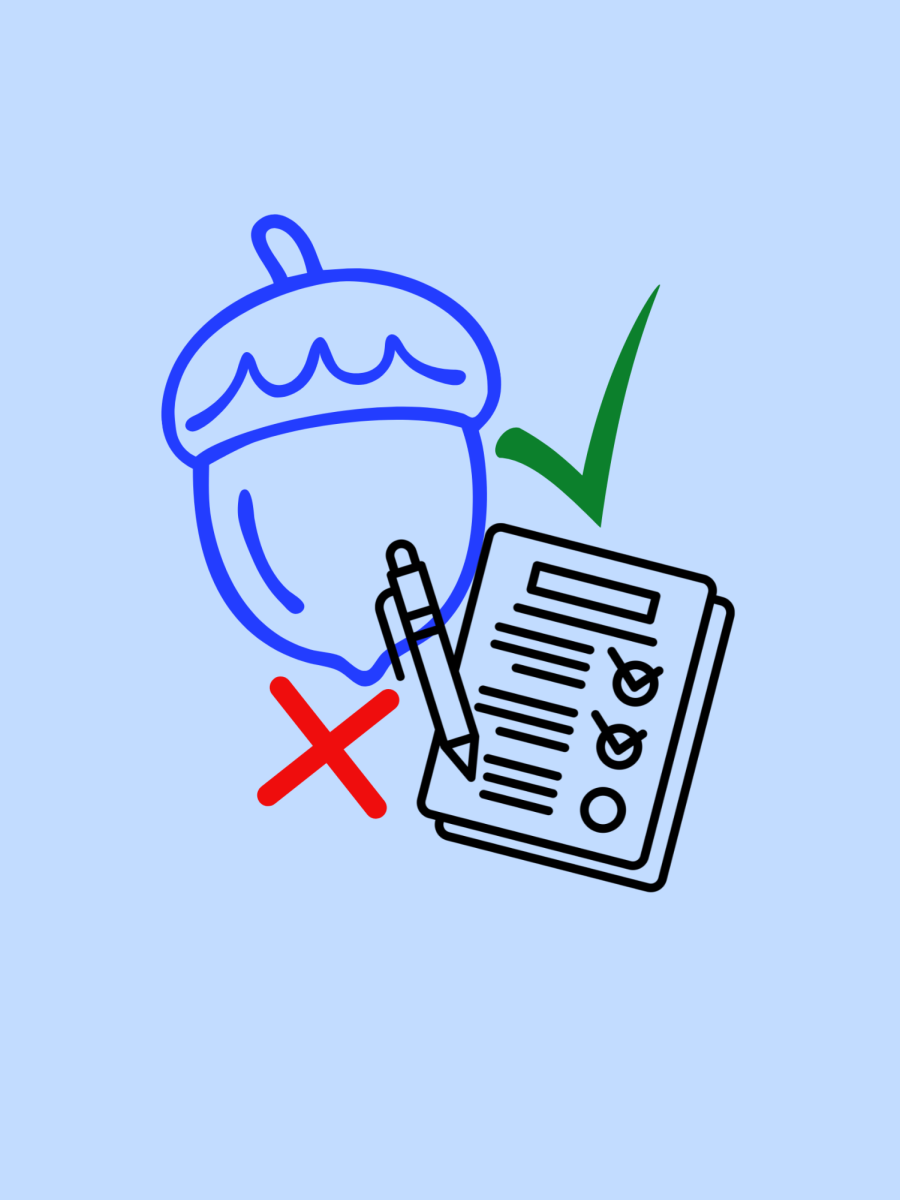
April is fast approaching, along with the threat of AP tests for LHS students. Hoping to achieve college credit, many take their time and energy and focus it towards hours of rigorous studying, reviewing and practice tests. However, some students put their effort into articulating extremely complex, often ineffective plans to cheat on their exams.
CollegeBoard goes through extreme measures to ensure no cheating takes place on their tests, such as spacing students six feet apart and hiring proctors to supervise test takers. But for many motivated students, when there is a will, there is a way.
In 2025, a New Jersey student was unsure of how she would perform on her AP Biology exam. Studying had failed her, and her next best tactic was hiring a 24-year-old look-alike. It was almost successful until the proctor noticed an inconsistency with the ID, catching the student in the act.
In another attempt to fool test proctors, a student faked an emotional meltdown, gaining the attention of supervisors in the room. While they were occupied attempting to tone down the outburst, classmates used this time to take a peek at their hidden notes. This team effort almost worked out perfectly until the security camera exposed the hoax.
In recent years, due to the digitalization of exams, test materials have been leaked, even sometimes reaching the black market. In 2024, a large number of students who participated in attaining these counterfeit resources opened their test results, and to their horror, found that their test scores had been cancelled. Every year, CollegeBoard takes more drastic measures to ensure that cheating is not a prominent issue during the exam season.
Despite the extreme attempts to gain a leg-up on the exam, these examples prove just how much students will push integrity and ethics. The stress of achieving a good score—or at least a passing one—drives students to bend their morals. For many, cheating only makes the circumstances worse as they face severe punishments such as canceled scores and being reported for academic dishonesty. While there are likely many successful cheating hoaxes no one will ever know about, the risk factors prove that once again, students should stick to simply sitting down and opening a textbook.