

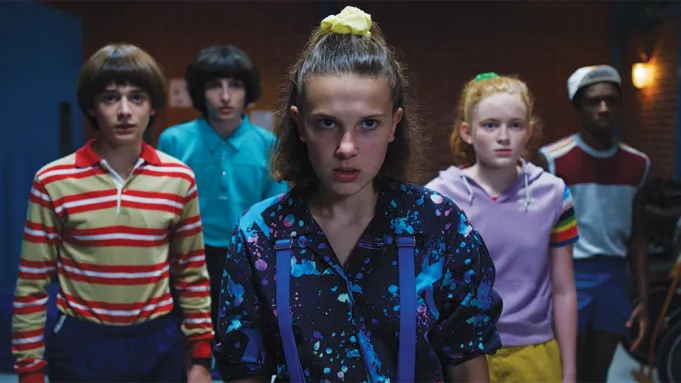
After a decade, the beloved show, “Stranger Things,” has finally come to a close…and in the most unexpected way. No viewer could have prepared themselves for the tragedy waiting to unfold at the touch of their fingertips.
It all began on Nov. 6, 1983, in Hawkins, Indiana. Four young boys: Mike, Lucas, Will and Dustin are playing D&D in Mike’s basement. Although things such as demogorgons are initially figments of their imagination, these nightmare-looking creatures eventually become the boys’ reality. On top of it being difficult to grapple with the existence of these monsters, new and scarier obstacles are added as the series progresses. With that, more significant characters, including Joyce, Eleven, Steve, Nancy, Max, Hopper and Robin are eventually introduced. Conveniently, with the help of more people, the mission to protect Hawkins becomes more feasible.
Conversely, this “journey” did not feel entirely genuine, with varying levels of performance strength among the cast. Most of the actors were exceptionally experienced, having either been pushed into the industry at a young age or having been in it for quite some time. This, however, did not consistently translate into their actual performance. For example, Will Byers, played by Noah Schnapp, did not always appear to display authentic emotions. It often felt like watching someone act rather than the actual character playing their part. In contrast, Millie Bobby Brown, famous for her role in Stranger Things, and Finn Wolfhard did remarkably well portraying Eleven and Mike’s evolving relationship. Just as a relationship has its ups and downs, watching theirs unfold felt like riding an emotional roller coaster.
Similarly, the show itself could make someone teary-eyed and angry all at once. Which, in all fairness, is a testament to its success. I deeply appreciated the scenes that captured the unfiltered emotions of the characters because they added aspects of realism. I also respected the plot and CGI, particularly in season three. Nevertheless, I must say, when Henry or “Vecna” was put into the mix, the storyline became a bit ridiculous. It was quite underwhelming for a human-like villain to appear following the mysterious chime of grandfather clocks and ominous music. I feel it would have been more cinematic if a larger, more destructive monster had been introduced.
Despite technical proficiency playing a major role in plot development, the lessons that can be taken away from this series transcend every other component. For example, one might learn not to take a friend’s presence for granted from watching the first season. Alternatively, watching the finale may offer a valuable lesson: always do the right thing, even if the outcome isn’t in your favor. Although the series was based on a timeline with vast differences, these reflections continue to resonate today.
Typically, this sort of show is enjoyed by Gen Z-ers. Nonetheless, its immense popularity and success have reached people of all ages around the nation. However, its TV-14 rating reflects various themes, such as gore and violence, which some viewers might find disturbing. In closing, this sci-fi/drama may not be suitable for everyone; however, after a decade of dedication from its actors and directors, it deserves a positive legacy.