

Getting through the school day can be challenging. Waking up early and going to bed late after extracurriculars does not allow for sufficient sleep. The only solution, or so it seems, is to have an energy drink in hand, supplying the caffeine one needs to function throughout the day.
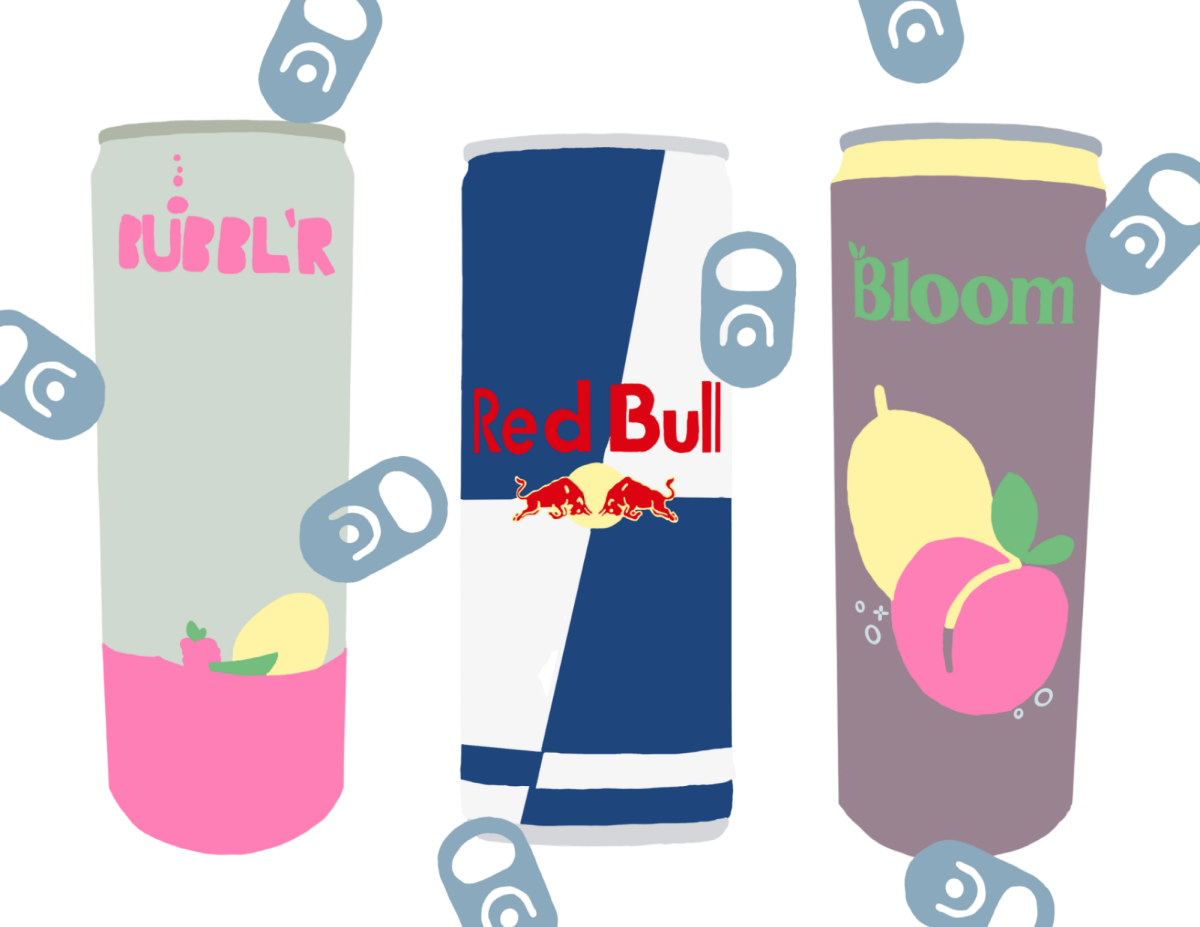
The students of LHS are no strangers to these delicious caffeinated drinks, as almost everyone has a drink in hand on a daily basis. Alani, Bloom, Bubbl’r, Monster and Red Bull are all popular brands that one can see every day, but do students know the health risks associated with such a habit?
Some energy drinks have high amounts of sugar and artificial ingredients that can cause gut and heart issues. When choosing the energy drink best suited to boost your focus, finding one with minimal added ingredients is key. Most energy drinks contain both vitamin B6 and B12, which help improve your metabolism and cognitive function by reducing the effects of fatigue. Another thing to look out for in your energy drink of choice is the sugar content. Red Bull and Monster both contain higher amounts of sugar, with Red Bull having 38 grams and Monster having 54 grams. They also contain sucralose, along with Alani and Bloom, although they do not technically contain any sugar. Sucralose is an added sweetener that can cause metabolic disruptions. An additional harmful ingredient is Red Dye 40, which can be found in Alani. This ingredient is used to enhance the color, but it also causes gut issues, which is why many countries have established restrictions on its use. The cleanest energy drink, without any added sugar or dyes, is Bubbl’r. It contains zero grams of sugar and does not use sucralose, instead claiming to use all-natural ingredients.
The amount of caffeine in an energy drink also determines its health. The suggested limit of caffeine for teenagers is 100 milligrams per day. For reference, the typical energy drink has double the suggested amount, at almost 200 milligrams. Bubbl’r is the perfect drink, as it contains only 69 milligrams of caffeine. Oftentimes, people will have multiple energy drinks in a day, which can become harmful and cause various health issues. The caffeine in energy drinks, especially Alani, can cause increased heart rates and high blood pressure, ultimately leading to cardiac issues.
Despite the health risks associated with energy drinks, they remain popular among a large portion of the population. This is due to the marketing tactics these companies use to appeal to their target audiences. Companies like Alani and Monster have a larger appeal to the younger generation. They use brightly colored cans and different color combinations to draw attention to their product. The various flavor names for Alani, Bubbl’r and Bloom create intrigue into what different combinations will taste like. In addition to visual appeal, companies use slogans, like Red Bull with their iconic line “Red Bull gives you wings.” This strategy creates a sense of familiarity associated with the brand, establishing trust with consumers. Furthermore, the new era of marketing with social media has caused a 240% increase in energy drink sales. Ads can easily be seen by teenagers as they scroll through various social media apps. Companies have seen an increase in energy drink sales and have started to adapt to the new market. Scooters and Caribou serve energy drinks that are popular among teens, and Starbucks is following suit with its new Energy Refreshers. New adaptations appeal to teens and contribute to increased interest.
Teenagers specifically have a harder time resisting the clever tactics used by these companies, as the decision-making part of their brains has not fully developed. The effects of caffeine and energy drinks start to develop with a consistent intake of 100 milligrams a day. Teens often have drinks with over 200 milligrams of caffeine, which accelerates the effects. The most common health risks that teens experience are insomnia, nervousness, mood swings and headaches. Minor issues like these can mark the beginning of more harmful conditions, such as cardiovascular issues like atrial fibrillation, seizures and pancreatitis. Since teenagers are smaller in size than adults, and their brains are not fully developed, the effects of caffeine have an easier time settling into their bodies. This means that teens should be more cautious and aware of the amount of caffeine they consume each day.
Alternatives to energy drinks that still provide energy, but with fewer side effects, can help teens transition away from the need for an energy drink every day. One popular option is matcha, a finely ground green tea powder. Matcha has less caffeine than a typical energy drink and allows for a more sustained boost of energy. Other options that have similar effects and benefits to matcha include black tea and electrolyte drinks.
Every time one has an energy drink, there will always be a risk associated with it, so it is important to be aware of one’s limit. Everyone varies in how much their body can handle, so do not use someone else’s threshold. Finding a good balance between more caffeine-loaded drinks and long-lasting boosts of energy throughout the day will help to minimize the risk of these effects.