


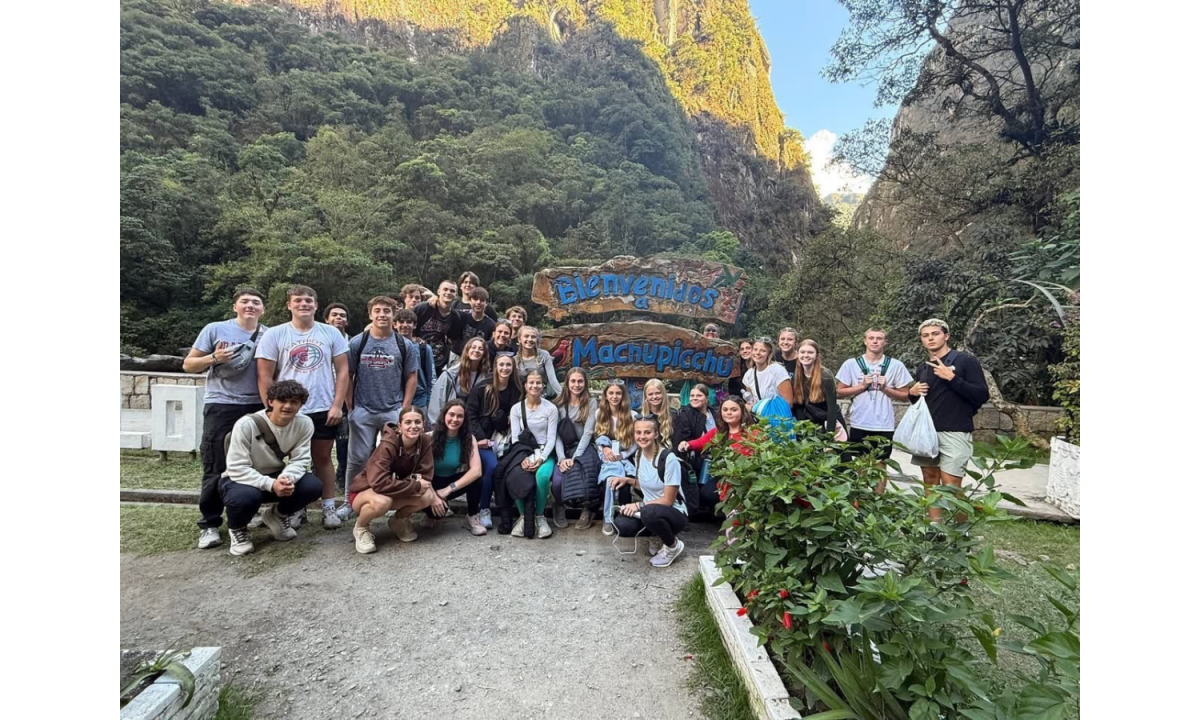
Getting stuck in a constant routine can put you in a bubble, separating yourself from the world outside of your day-to-day environment. Although the United States is known as the “melting pot,” blending different cultures, languages and communities, it can be very easy to separate from other cultures. Language can bridge this gap. With over 50% of the global population attaining bilingualism, this proves that the benefits are more favorable than ever.
Anyone who has attempted to learn a second language is aware of its difficulty. Because you work both the left and right sides of the brain, learning a language immensely supports cognitive function. According to the National Library of Medicine, bilingualism increases gray and white matter in the brain; this improves brain health and the efficiency of signal sending in the body. Additionally, in the long run, learning another language improves attention span and memory. These effects are most beneficial in older adults and the elderly who face the possibility of dementia. When bilingual, symptoms of cognitive disorders have been found to be delayed for up to four years.
Whether in the United States or abroad, mastery in two (or more) languages opens career opportunities and aids current ones. Larger companies within the U.S. occasionally open offices overseas, which provides an incredible opportunity for overseas employment. However, this position only presents itself to the bilingual. According to workforceessentials.com, only 20% of employers can speak more than one language; becoming part of that minority makes employees stand out from the other 80% in a competitive job market. Not only do more doors open, but current bilingual employers are getting paid more on average. Because of their scarcity, sources find that these employees earn 5-20% higher wages.
Finally, the overwhelming number of social benefits and cultural interactions is what primarily draws people in. The idea of traveling to new countries appeals to most, but the language barrier is a common anxiety, especially in an unfamiliar place. When you have the confidence of a second language, you can fully submerge yourself into every experience. Communicating with locals, going to public performances and enjoying the arts are all things that no longer need to be second-guessed. Apart from traveling, a second language is helpful in your local area as well. When interacting with the varying local cultures, bridging the language gap now allows you to communicate effectively with others and connect separate communities. When you interact with others, you gain a new perspective on a new slice of the world. From these experiences, studies found that afterwards bilingual travelers have enhanced empathy and patience. All of these emotional traits easily overflow into daily life, positively impacting relationships and daily tasks.
Even though learning a new language can take anywhere between a few months and several years, you are not only rewarded with the eventual outcome, but also throughout your journey. The process itself can help develop cognitive abilities, social skills such as communication, empathy, patience and problem solving. Better communicative abilities open doors to new experiences that are often limited by the language barrier. These can vary anywhere from ordering food at an authentic restaurant to living abroad. Within the workplace, companies often present more opportunities to the bilingual compared to the average employer. No matter where you go, a second language stays with you and encourages promising opportunities.