


Kindness costs nothing, yet it is valuable when it comes to human interactions. It is not just being nice because you have to; it is a conscious decision to build connections with others. When it comes down to the logistics of a problem, the best solution is to treat people with kindness and respect.
Throughout the halls of LHS, the fundamental value of kindness is overlooked. It is crucial to understand kindness is more than just being polite after a favor is done. It is truly going out of your way to make a genuine act that improves the well-being, big or small, of another person.
It is the difference between acknowledging someone and confirming that they matter.
Being kind is one of the most powerful actions to perform, and its benefits reach far beyond the person receiving it. From a psychological standpoint, showing kindness through words or actions reduces one’s stress and anxiety. At LHS, Head Counselor David Myers believes that it also helps with loneliness, improves social connections and fosters a sense of community. These benefits help with the overall social-emotional well-being of a student. It shifts your internal focus away from yourself and helps develop empathy and gratitude for others, rather than dwelling on negativity. While LHS might seem divided at some points, choosing kindness reminds everyone of the shared impact that one small, genuine act can have on another student’s life.
Counselors at LHS frequently encounter students struggling not only with being kind to others but also with understanding their own self-worth. When encountering issues through the counseling department, Myers emphasizes that while we may not have control over others’ emotions, we certainly have control over our own.
“Showing kindness can shift a person’s thought process from negative thoughts to positive thoughts,” said Myers.
With this, your intentional act of kindness creates a school that has a safe and conducive environment for learning.
Beyond the emotional benefits, kindness has a larger ripple effect that extends into the world. One kind act often inspires another, creating a chain reaction of goodness. Kindness spreads from one person to another, slowly shaping communities and even societies into more compassionate places.
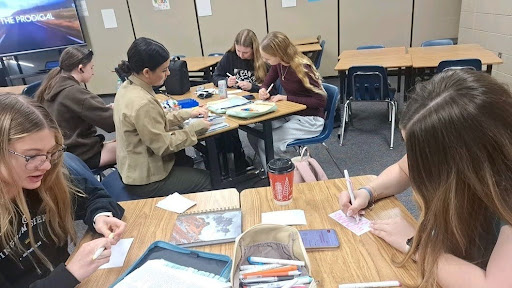
World Kindness Day, held annually on Nov. 13, serves as a global reminder of how easily kindness can change the course of someone’s life. It reinforces the practice that small kindness is often remembered more than grand gestures. Holding the door open for someone who has their hands full, offering encouraging words to students or lending pencils to stressed classmates are all examples of small but high-impact acts.
While everyone comes from different backgrounds, kindness is a taught and learned behavior. It begins with parents or guardians modeling this behavior and continues as teachers show positive reinforcement to students. These lessons that we learn from a young age help us understand the struggles, perspectives and needs of others.
The hardest part of it all is to make it a daily practice. This means choosing patience over irritation, encouragement over judgment and understanding over assumptions. Ultimately, you will never regret being kind.