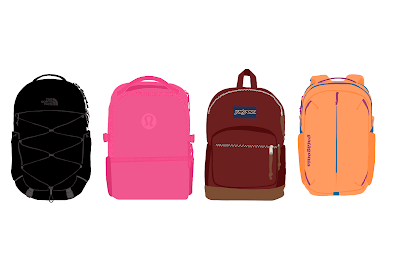


The latest smartphone, trendy shoe or popular winter jacket are all examples of why it can be so difficult to moderate spending on unnecessary products. When it seems like everyone has ‘the sweatshirt,’ someone who does not own the specific trend may experience ‘fomo’ (the fear of missing out).
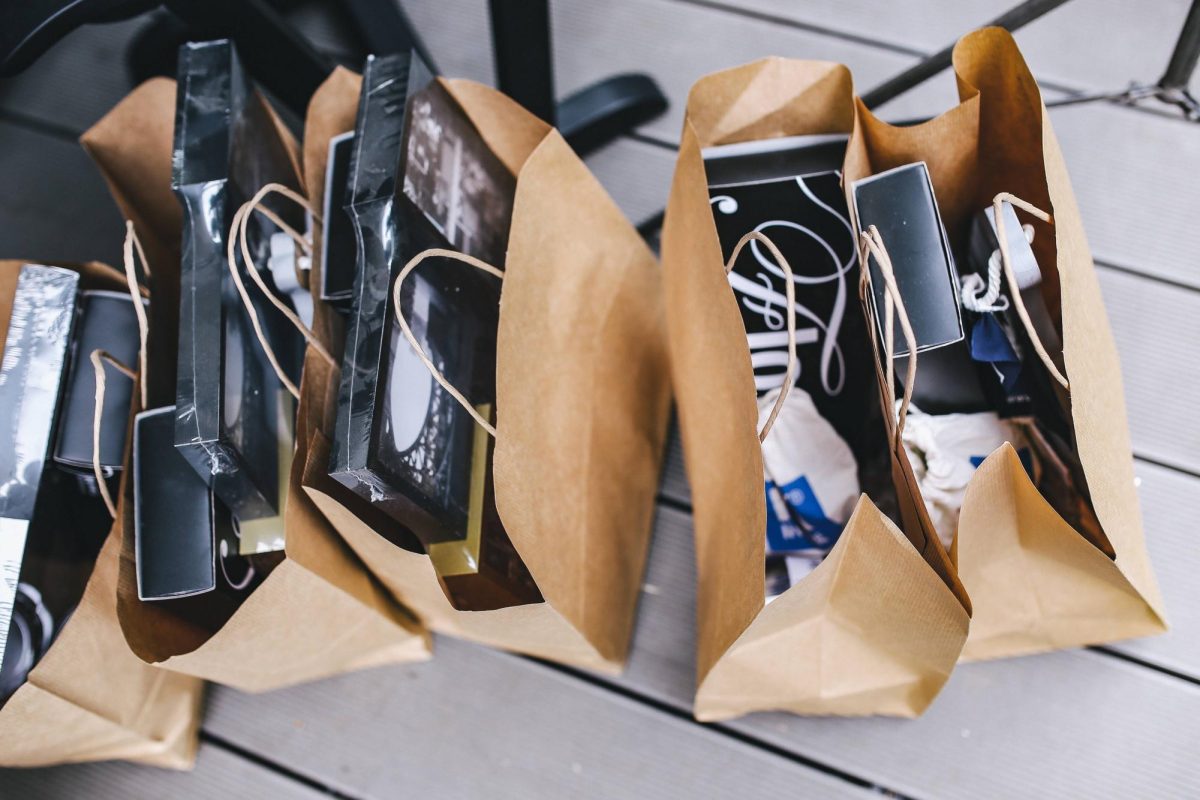
With the many forms of media readily available, it is easy to get sucked into the mindset of always needing more. Influencers make a profit by encouraging consumers to purchase the latest product: a product they most likely already have a version of sitting untouched in their room. Social media has created a false need to accumulate countless goods, an appeal exemplified by ‘hauls.’ A typical influencer’s haul is a video displaying everything they bought during a shopping spree. These videos are often unrealistic, showcasing piles of clothes and products being added to an already overflowing closet or vanity. Overpurchasing is a problem in many divisions of the economy, but a few of the main problematic sectors include fashion, beauty products, electronics and food.
The most overbought clothing item is cheap going-out tops, made by fast-fashion companies that outsource their labor. Many buy these trendy shirts for a night out with their friends, often wearing them only once or twice before discarding them. This leads to not only overflowing landfills but also the rise of micro-trends, which can be characterized as short-lived, popular styles, often featuring specific patterns or colors. According to https://earth.org/fast-fashion-statistics/, 92 million tons of clothing are wasted per year directly due to social media’s influence.
Another commonly overconsumed product can be found in the beauty industry. Blush is often a product that buyers stock up on because it offers a variety of shades. People feel the urge to test many different shades and brands to find the one that suits them best. Also, shade can depend on one’s tan level, which varies by season, so people buy multiple shades to suit their skin tone at the time.
Coffee and similar, often sugary, drinks are frequently wasted due to cultural attitudes toward the beverages. They are seen as ‘fun drinks’ which Starbucks emphasises through their catchphrase “that first sip feeling.” Although these refreshments bring excitement and a sweet, addictive taste that leads to purchasing the largest size, they can quickly become boring or overwhelming. Sure enough, the half-finished coffee is tossed in the garbage without a second thought.
E-waste is also a large contributor to landfill overflow. With new and improved versions of the same phone coming out multiple times a year, shoppers are coerced into overaccumulation. Advanced photos, AI-editing tools, and improved battery life are all features that attract customers towards needless upgrades. In addition, some technologies are programmed to degrade performance at the time of the latest release, encouraging consumers to buy the newest model.
Even products created to reduce waste, such as reusable water bottles, are now being overaccumulated like micro-trends. New brands and styles come in and out of trend constantly, with buyers hustling to keep up with the continuous shifting.
A recent social media trend, ‘deinfluencing,’ has gained popularity in the past year. As opposed to convincing their followers to purchase goods, de-influencing is when popular creators deter others from buying a product by explaining reasons why it is not worth it. This offers a more sustainable approach to trends set by influencers, since the creators are more transparent with advertising. Not only is this new trend better for the environment, but it also promotes independence from the pressures of social media, thus saving the planet, as well as your wallet.