

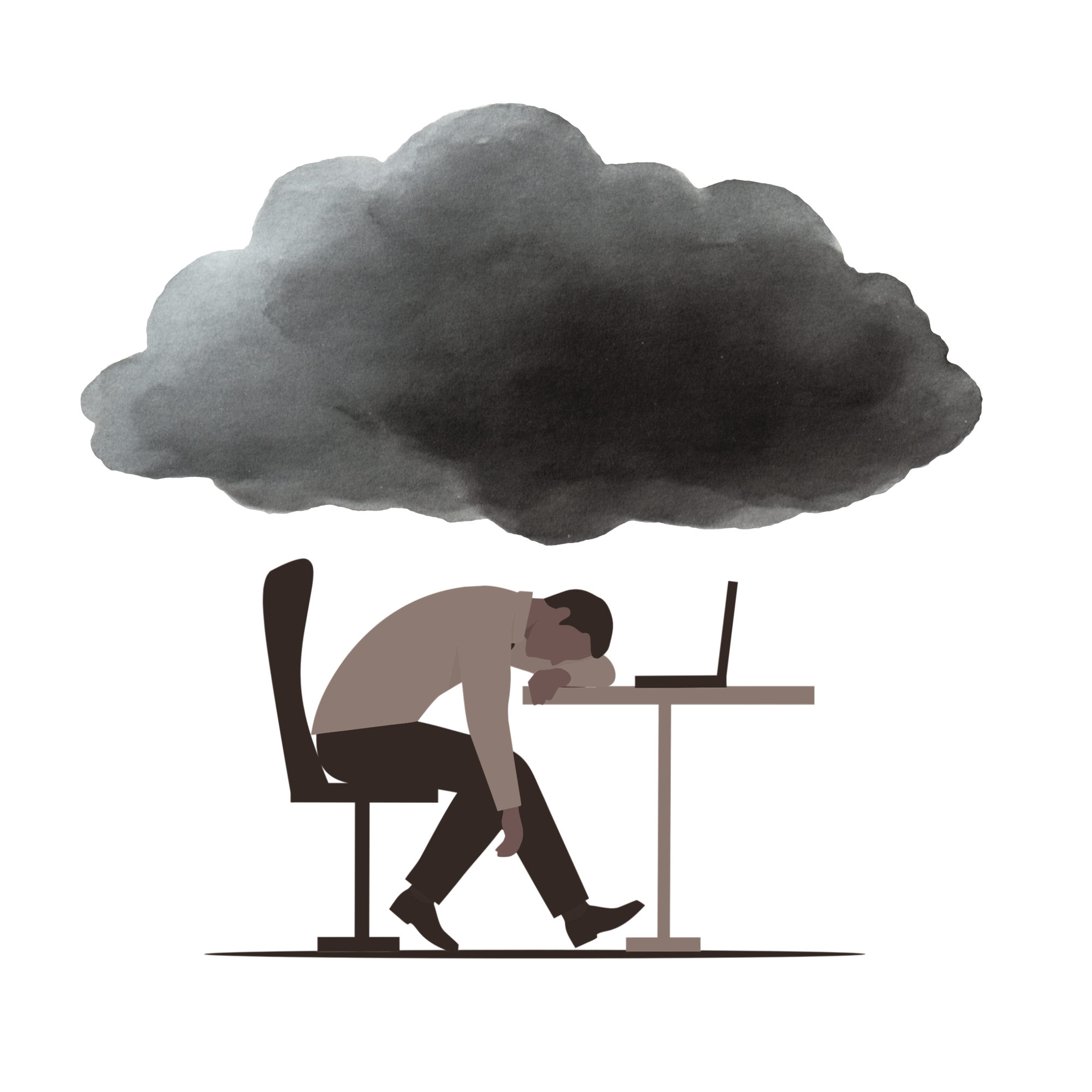
“I really need to get off my phone.” This is a common thought amongst high school students, especially at 2 a.m. on a school night. Most recognize their phone addiction is not good for them, but many don’t realize the true consequences of each scroll.
Like a muscle, the brain cannot operate efficiently 24/7. According to a 2022 study on microbiome profiles of high screen time, the brain responds to stimuli by releasing glutamate, an excitatory neurotransmitter, which powers cognitive functions such as memory and thought, processes information, and helps with anxiety, sleep and relaxation. Because glutamate is needed for brain function, it must be kept at equilibrium levels. When the brain is overstimulated, glutamate builds up, and too much at once creates toxicity that the brain attempts to counter by “slowing down.” This brain fog is what hinders everyday tasks.
When the brain is fatigued, it naturally seeks passive stimulation and dopamine to numb stress. This overloads your prefrontal cortex, which is responsible for impulse control. Overstimulation causes excess glutamate to suppress signals to the prefrontal cortex, and the brain struggles to say “stop” rather than “go.” This means that when doomscrolling, the brain is too tired to stop your thumb from swiping to the next video, where your brain naturally swipes rather than switching tasks that use mental energy.
This creates an almost-unbreakable cycle: outside noise overstimulates the brain, and the mental fatigue stifles the resistance to easy dopamine hits. This could mean choosing to doomscroll rather than start homework or go to the gym. Social media and certain video games are specifically designed to exploit the brain’s search for easy stimulation, subconsciously working against those trying to break their addiction.
Even fun activities such as watching television, reading the news and listening to music can cause the same issues when overdone. Similar to drugs and alcohol, distracting your brain from life’s problems prevents it from processing difficult emotions, instead intensifying stress, anxiety and overall mental health. Disassociating from reality may provide momentary relief, but the cost of unregulated emotions and self-esteem issues breeds overall discontentment.
This lack of emotional growth doesn’t stay in your head; it infiltrates your relationships and leaves permanent effects. According to an article published by Vision Psychology Brisbane, if partners cannot control their emotions or function without consistent dopamine hits, it may cause unavoidable conflict in relationships that erodes understanding, compromise, and forgiveness. Those accustomed to a constant presence of dopamine experience high irritability when things don’t go their way, and an inability to compromise stunts the maturity relationships require.
Your phone addiction not only impacts you mentally but also leaves lasting physical effects that are often forgotten. High phone use can raise cortisol levels, increasing stress and disrupting natural energy recovery. When cortisol levels are too high, the body limits non-essential functions such as testosterone production and growth hormone, which can lead to rapid aging and poor muscle recovery.
Athletes should be wary of the dangers of phone addiction and high stress levels. Energy spent online drains the body of fuel needed for training and performance, as well as muscular and nervous system recovery. Moreover, access to quick dopamine hits undermines the value of hard-earned achievements and can cause athletes to lose their competitive edge, devolving into laziness and a lack of motivation.
Low energy levels are only worsened by one of the worst effects of a phone addiction: loss of sleep. Cortisol and melatonin are inversely related, so an excess of cortisol limits the production of melatonin, a sleep hormone essential for sleep and recovery. Combined with the absence of time for the brain to process information, the body becomes restless, preventing immediate sleep. Your phone not only reduces the amount of sleep, but sleep quality too. This inhibits the brain from the vital processing it needs to maintain mental health.
Overall, phone addictions lead to a decline in mental health, self-esteem, focus and academic and physical performance. If not identified and addressed, it can worsen over time and lead to a significant decline in personal well-being. So what can you do to prevent this?
For sleep problems:
Put your phone down 30 minutes before bed.
Avoid blue light before bed—Allows your eyes and mind to start preparing for sleep
Set up alarms, screen time limits, or have your parents/siblings give you a physical reminder to put your phone away at specific times each night
Keep your phone away from your room—prevents late-night scrolling or the urge to check your phone if woken up or unable to sleep at night
For limiting screen time:
Delete the non-essential apps that distract you and don’t provide any real value—Is TikTok or Brawl Stars more important than your mental health?
Put your phone out of reach in the morning and get fully ready for the day before picking it up
Install free screen time apps such as Opal or ScreenZen, and decide if spending money on premium services is worth the benefit of the time you gain back in your life.
Get involved in activities that fill the gaps usually spent scrolling
Remove all apps from your home screen—forces you to search for apps you need to use rather than having easy access to apps you didn’t plan on using, but are conveniently placed to steal your attention
Other tips for preventing brain fog or stress:
Limit the amount of music or news you consume daily—Gives your brain unnecessary information and dopamine, and erodes your ability to live without a constant stream of stimulus
Avoid overachieving—taking 5 AP classes, being involved in every club you can, and working a full-time job all at once is achievable and mentally taxing. Challenge yourself and strive to excel in what you’re passionate about, but realize that it is impossible to be good at everything, and instead give yourself time to unwind and recover lost energy.
Be bored! When you feel the brain fog start to overpower you, take a few minutes and sit in silence, allowing your brain to bring itself back into equilibrium.
Phone addictions are common and extremely difficult to overcome, as society is designed to promote screen time. However, claiming your time back gives you the emotional stability and physical energy needed to work towards what matters to you. When you reject your brain’s craving for instant dopamine, you’ll eventually replace it with something better: contentment and purpose.